Sample What You Can Find
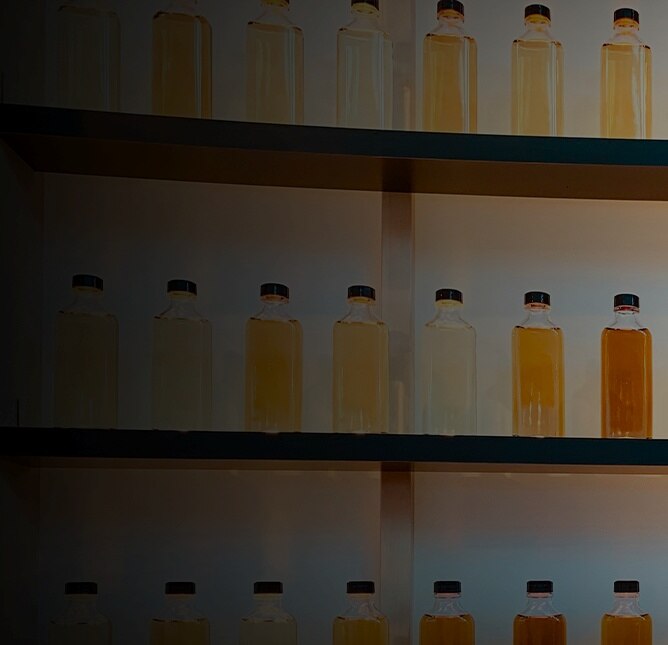
Japanese whisky is tight on supply, and many familiar age-stated bottles have either vanished or shot up in price. Even so, the category is broader than ever. Major houses like Suntory and Nikka keep expanding their ranges, and smaller distillers such as Chichibu and White Oak add fresh character to the landscape. Visitors often seek out these bottles in cities like Tokyo and Yokohama during their time in Japan.
The shortage has a long backstory. In the mid-1980s, a tax hike pushed drinkers toward shochu, wine and beer. Whisky sales collapsed and stayed low for decades, which meant distillers produced far less stock. When global enthusiasm finally roared back around 2008, the industry was caught off guard. Awards piled up, a popular TV drama revived interest at home and suddenly everyone wanted Japanese whisky at the same time. The problem was simple: producers hadn’t laid down enough barrels years earlier to meet today’s demand.
More whisky is aging now, but it needs time. In the meantime, there is still plenty to enjoy. Explore what is available, stay open to newer releases and remember that the next wave is already in the cask.
There’s More Than One Style of Japanese Whisky
People often talk about Japanese whisky as if it fits a single flavor mold, but the category is far more varied. Each producer has its own approach, its own house style and its own way of shaping aroma and texture.
Take Nikka. Its U.S. lineup alone spans a wide range, from the corn-based Coffey Grain to the malted-barley Coffey Malt, plus distinct single malts from Yoichi and Miyagikyo and the layered character of Taketsuru Pure Malt. These whiskies are frequently enjoyed in cities such as Osaka and Kobe, where dedicated bars and shops highlight regional styles.
Suntory shows the same breadth on an even larger scale. Yamazaki and Hakushu each create dozens of component malts that become the building blocks for everything from Yamazaki’s rich, sherry-leaning profile to Hakushu’s green, lightly smoky character. Add the creamy grain notes of Chita and the refined balance of Hibiki, shaped in part by mizunara oak, and the range becomes even clearer.
Japanese whisky is not one style. It is a spectrum, shaped by craft traditions, distillery character and deliberate blending choices.
Japanese Whisky Pairs Wonderfully with Dinner
Pairing spirits with food can be tricky, but Japanese whisky holds its own at the table, especially with Japanese cuisine. Experts who host pairing dinners often focus on one principle: link the flavor profile of the whisky to a shared element in the dish.
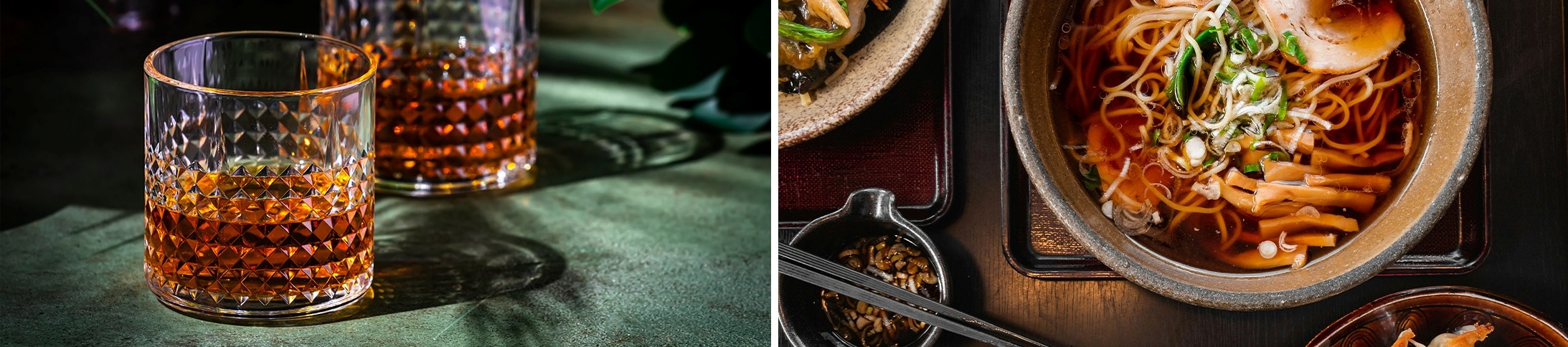
A whisky like Yamazaki 12, served on the rocks, can stand up to the bold, fermented, salty notes found in sushi and sashimi. Hakushu’s gentle smokiness works naturally with the earthy character of tempura. In cities like Osaka and Kobe, chefs often incorporate whisky-friendly flavors into their menus. Even a warm whisky cocktail can find its match, as shown by pairings that bring Hibiki’s rounded blend into harmony with something as simple as miso soup.
Japanese whisky does not have to be reserved for Highballs or end-of-meal sipping. When paired with intention, it can sit comfortably alongside the food itself.
Please Don’t Call It Scotch
The phrase feels wrong for a reason. Scotch can only come from Scotland, and while Japanese whisky was shaped in part by Scottish methods, it has evolved into something distinctly its own. Over the decades, Japanese distillers have adapted production techniques to suit local tastes, cultural preferences and a different idea of balance and precision.
Yes, Japan uses pot stills and produces single malts, but the end result reflects Japanese sensibilities, not a copy of Scottish tradition. The style has been refined, adjusted and reimagined to stand on its own.
So, enjoy the full spectrum of what Japan offers. Explore newer age-free releases, mix your favorite bottle into a cocktail, try it with food and see how varied the category can be. Just give it the respect it deserves and avoid calling it “Japanese scotch.”
There’s More Than One Way to Drink Japanese Whisky
Many people assume Japanese whisky should be taken neat or poured into a Highball, and while both options work, they are far from the only choices. In Japan, Highballs are popular simply because they are refreshing and easy to drink, not because the whisky is designed exclusively for them.
In reality, Japanese whisky fits a wide range of serves. Some drink it neat. Others prefer it on the rocks, “twice up” with equal parts whisky and water, or as a still version of a Highball in a simple mizuwari. And of course, cocktails are very much part of the landscape.
Look to Tokyo's top whisky bars for proof. Bar BenFiddich and Gen Yamamoto routinely build inventive drinks around Japanese whisky, from warm, citrus-driven Yamazaki cocktails to creative takes that mix Hakushu or Nikka Coffey Grain with liqueurs, aperitifs or house infusions.
Japanese whisky is versatile. Treat it that way.
Sample Japanese Whisky on A Dream Luxury Cruise to Japan
Regent Seven Seas Cruises® has consistently delivered ultra-luxury travel experiences with the very best value for over thirty years. Aboard The World’s Most Luxurious Fleet®, enjoy unrivaled onboard space, unforgettable shoreside excursions, incomparable culinary experiences, and exceptional Heartfelt Hospitality™.
Our exceptional service begins long before you step aboard. Your Personal Consultant will help you or your Travel Advisor plan your next ultra-luxury cruise vacation.